

We recently saw Andy Burnham become Prime Minister. As a result, regional leaders are poised to accept heightened powers through the deepening of devolution. Even more recently the Social Value Model was revised “to provide good British jobs, skills and opportunities in every postcode.”
As a publicly procured service, one could ask, what does the new government and deeper devolution mean for rail? What we ought to ask is what does rail mean to national and local government and what is rail’s role in supporting opportunities in every postcode?
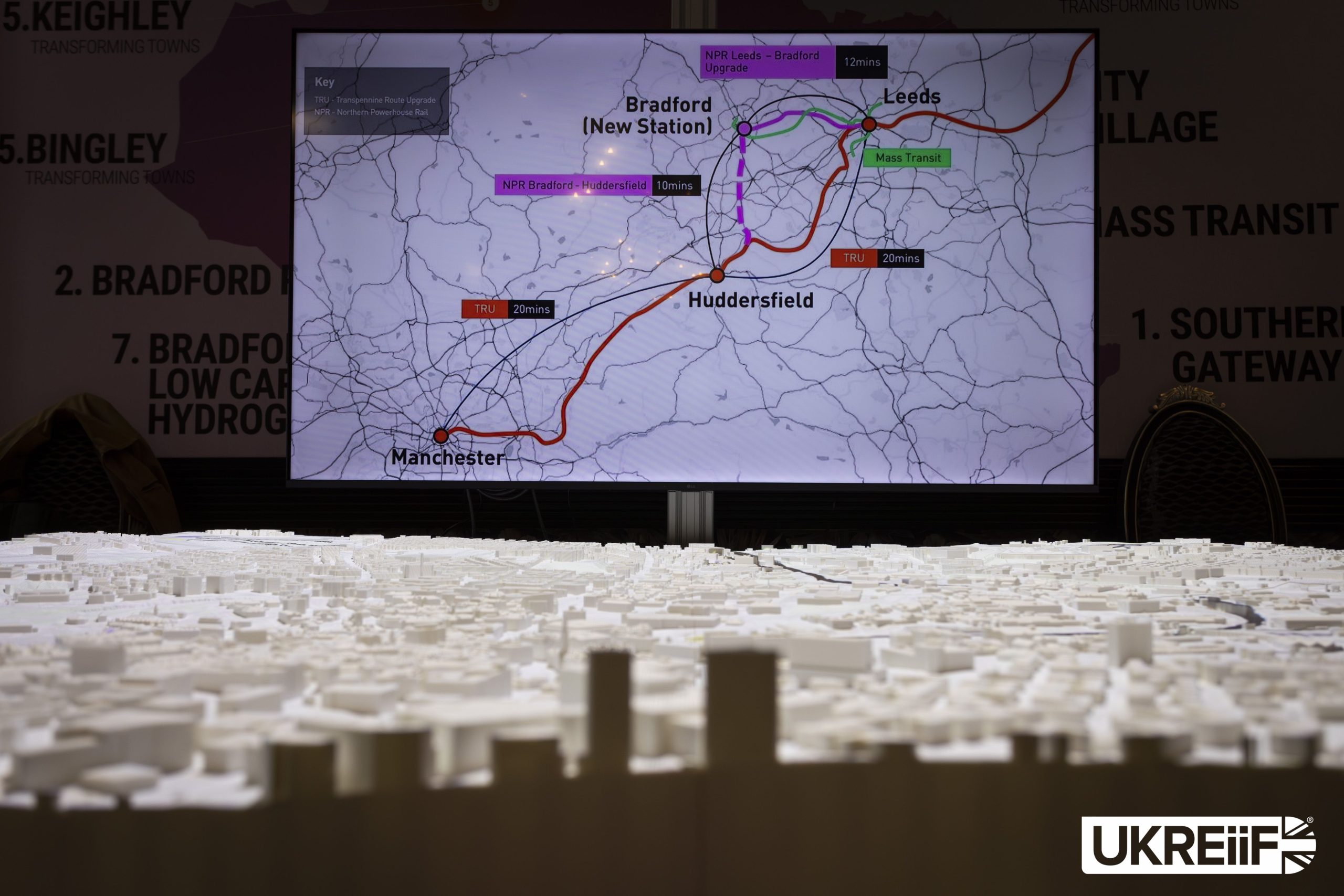
The railway sits at the heart of our national and regional transport networks; it has a responsibility to deliver a safe, reliable and affordable service. The railway industry is coming to terms with the symbiotic changes of devolution and rail reform. These two movements exist in tandem, simultaneously demanding and driving the need for partnership working to ensure that the needs of communities are met at every level, from hyper-local to national.
At the Transport Times UK Rail Summit earlier this year Alex Hynes, Chief Executive of Department for Transport Operator described the railway’s role and the role of reform by explaining that at the national, political level “We want a better railway for everyone in Britain… The integrated railway is at the heart of all of this. Great British Railways will be a highly devolved organisation because those people closest to communities will make better decisions.” He added: “It’s not about running trains, it’s about what trains mean”. At the same event Lord Hendy, Minister of State for Rail reinforced the importance of devolution, stating that combined authority mayors have “money, power and millions of peoples’ lives in their hands.”
Ultimately this means that Great British Railways (GBR) as a national entity and local government need to work together to meet the needs of those people, integrating capability and accountability.
There is therefore a deep responsibility for the railway, local and national, to ensure that integration of track and train and modal integration is designed, delivered and maintained to ensure that customers and communities are at the heart of all decisions. This will truly support regeneration across the country.
The role of integrated transport – especially links between heavy rail, light rail and other modes – is an excellent reflection of the balance to be found between rail reform and devolution. Arguably light rail and mass transit systems have operated independently of heavy mainlinerail until now; but against the backdrop of GBR and the growing recognition that mass transit has the power to transform communities it is inevitable that integration in all forms must be realised. Burnham stated in 2020 that “It’s not ever just about getting from A-B; light rail is about economic growth… light rail drives up opportunity and provides a real alternative to the private car”[i].
Our regional transport leaders know this irrefutable truth: connecting centres of economic activity generates wealth by providing people with access to skills, local jobs and then an even wider job market. Transport is both an enabler and a source of employment in its own right. There is therefore a responsibility to ensure that place-based and outcome thinking stresses the needs of future generations, and not binarily on the “now”.
At the UK Light Rail conference Melanie Corcoran, Executive Director of Transport at South Yorkshire Mayoral Combined Authority, pointed out the harsh effects of transport related social exclusion (TRSE). TRSE limits peoples’ access to good job opportunities, training and education amongst other markers. Transport for the North’s TRSE In England Visualiser shows that in North Northamptonshire almost 51% of the population (over 181,000 residents) live in neighbourhoods with a nationally high risk of TRSE. By comparison in Greater London this figure falls to 2.7% (235 thousand residents).
Rail reform, devolution and integration in this wider sense are therefore crucial to meeting the expectations of the recently revised Social Value Model (PPN026). The revised model focuses on generating social value under two key outcomes: “Good Jobs” and “Skills”. The organisations discussed above, have the reach and power to deliver regional and national transport schemes that support local regeneration and economic growth, upskilling the jobs market for generations to come. “Railway needs to get better at making its case,” according to Hynes; as an industry we need to be able to better qualify the outcomes that the railway brings to communities as part of an integrated whole. To quote Steve White, Managing Director of GBR Southeastern, investing in integrated transport “is an investment in economic growth, housing and social mobility.”
The railway has a crucial role to play in regeneration, and we have a shared responsibility to deliver growth, skills and jobs in every postcode.