

Sustainable Legacy
Sustainable legacy means every project Octavius delivers leaves the environment, the community and the infrastructure in a better state than we found it; for the people who will live with it long after we have gone.
The infrastructure we build outlasts the contract
A road, a bridge, a railway station, a public space; these are not temporary assets. They shape the experience of communities for decades. The choices made during their design and construction, about materials, carbon, ecology, social impact and design quality, have consequences that extend far beyond the project handover date. That is why sustainable legacy is part of what delivery means.
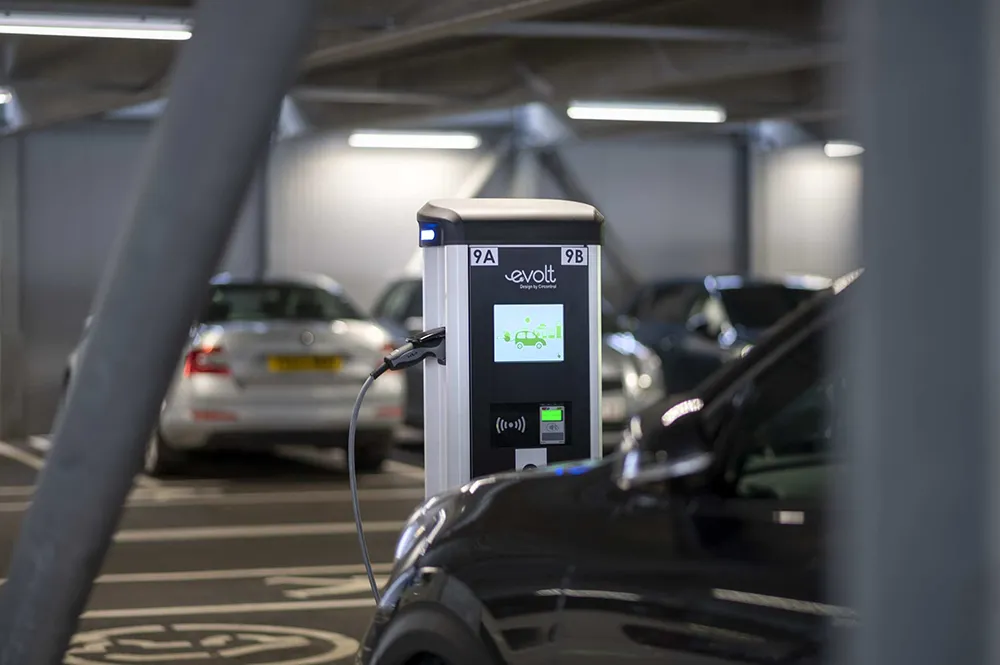
Committed to net zero
Octavius is on the path to net zero. We measure and report our Scope 1, 2 and 3 emissions, set targets and track our performance. On site, we are reducing carbon through material specification, plant selection, logistics and design. In our supply chain, we work with partners who share that ambition. With customers, we identify lower-carbon solutions without compromising quality or whole-life cost.
The infrastructure we design is also built for climate resilience, engineered for the conditions ahead, not just the conditions of the past.
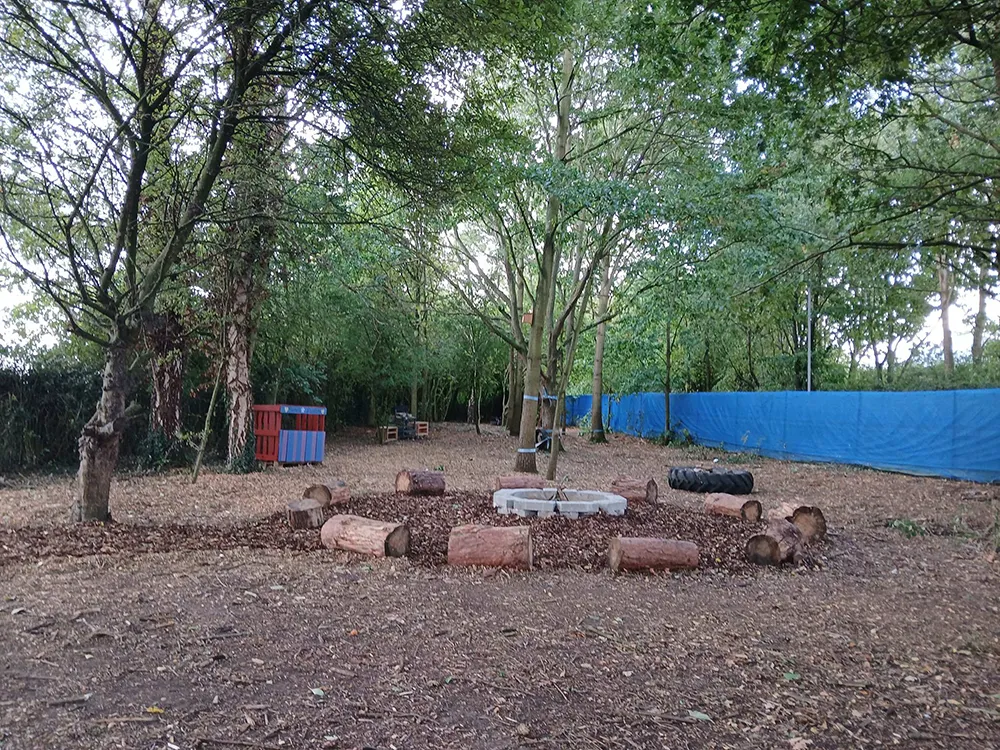
Biodiversity and the natural environment
Every scheme is an opportunity to do more for the natural world than the brief strictly requires. We conduct biodiversity net gain assessments, protect habitats during construction and design in ecological enhancements wherever the opportunity exists. We have delivered projects that have actively improved the environments they pass through.
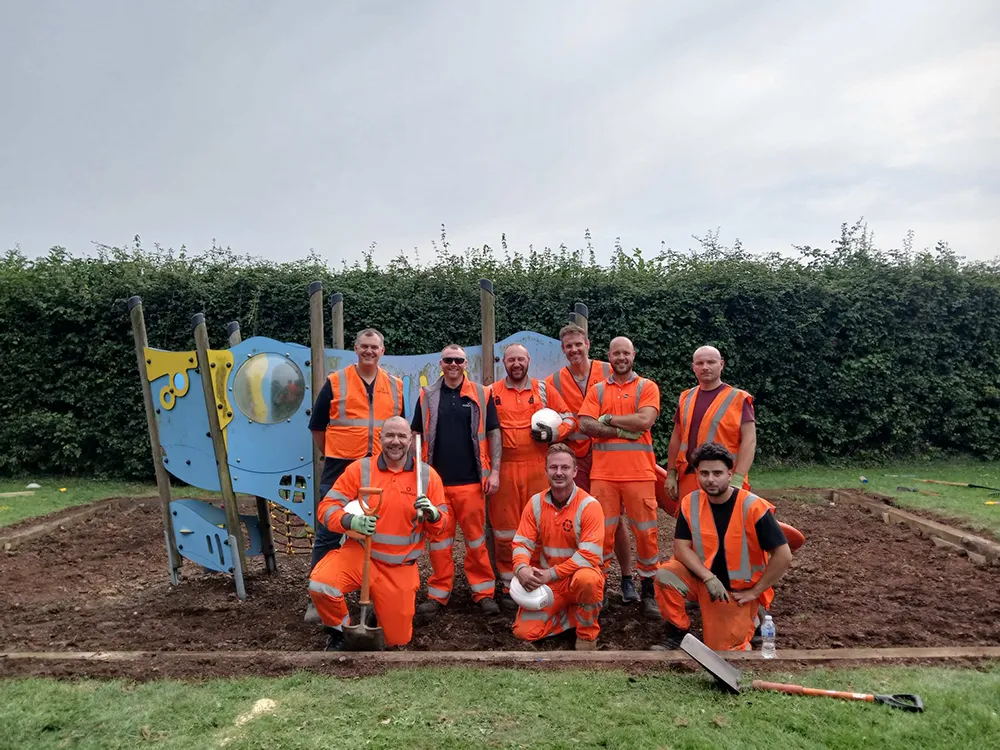
Social value: a legacy for communities
Sustainable legacy includes the social legacy; the employment created, the skills developed, the local businesses supported and the communities invested in. Our Thrive platform measures this independently and rigorously. In 2025–26, we delivered over £116 million in social value — 32.5% of our annual turnover. The ambition is not just to build infrastructure in communities. It is to leave them measurably better off.
Circular thinking, from the ground up
We design for whole-life performance and end-of-life reuse. We minimise waste, specify recycled and low-impact materials and plan construction logistics to reduce unnecessary movement. Our modular car park system is a practical example: designed to be disassembled and reused, not demolished. Infrastructure that is part of the circular economy, not a drain on it.
