
ACTIVE TRAVEL
More people walking and cycling. Safer, healthier, better-connected communities.
Active travel infrastructure is one of the most cost-effective investments a community can make; for public health, for air quality, for congestion and for quality of life. Octavius designs and builds the routes, spaces and connections that make it a genuine choice.
Government policy, public health evidence and the climate agenda have converged on the same conclusion: we need more people walking and cycling, and fewer making short journeys by car. But that shift only happens when the infrastructure is good enough to feel safe, connected and natural to use. A painted cycle lane on a fast road is not good enough.
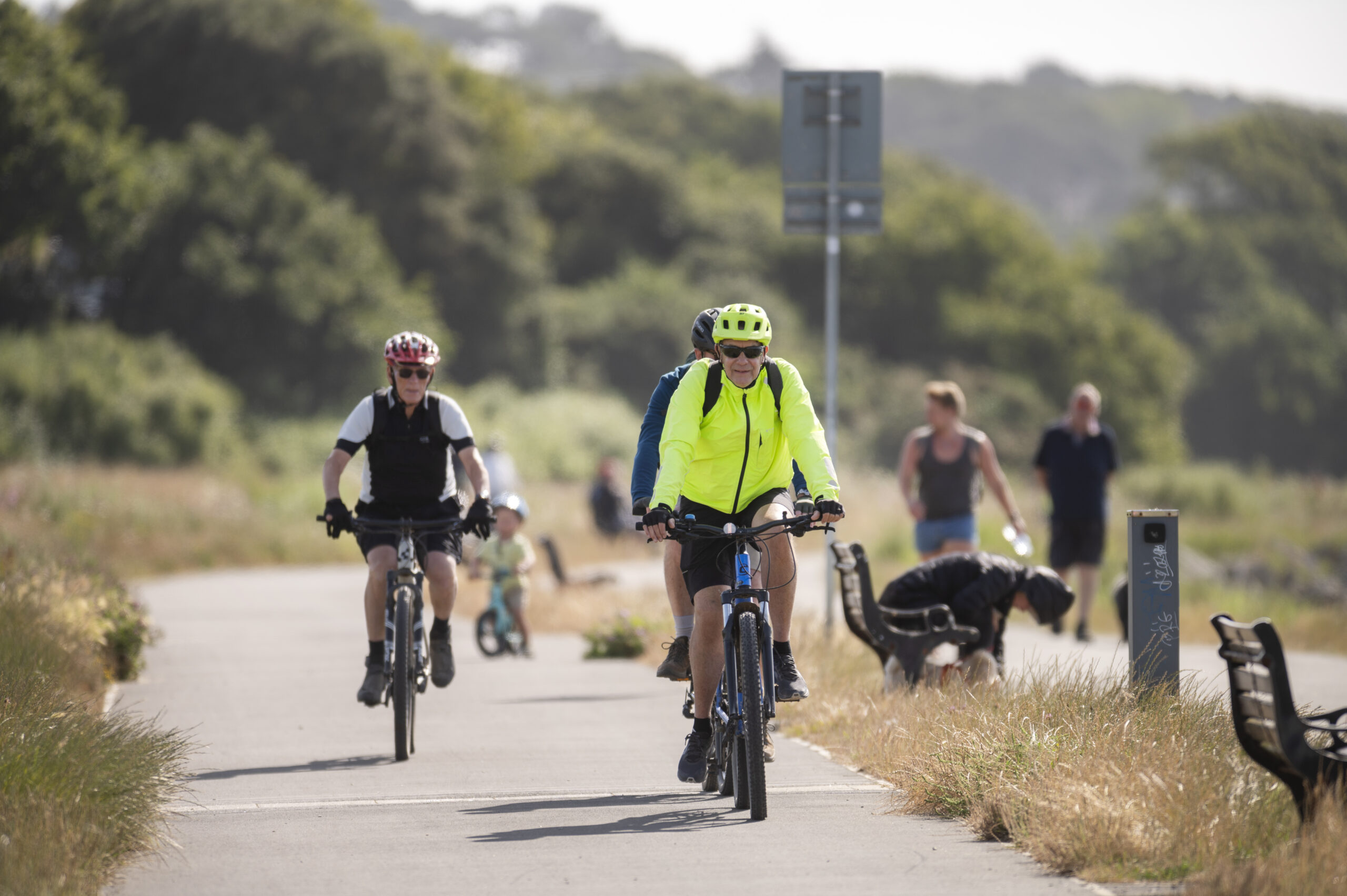
Part of an integrated network
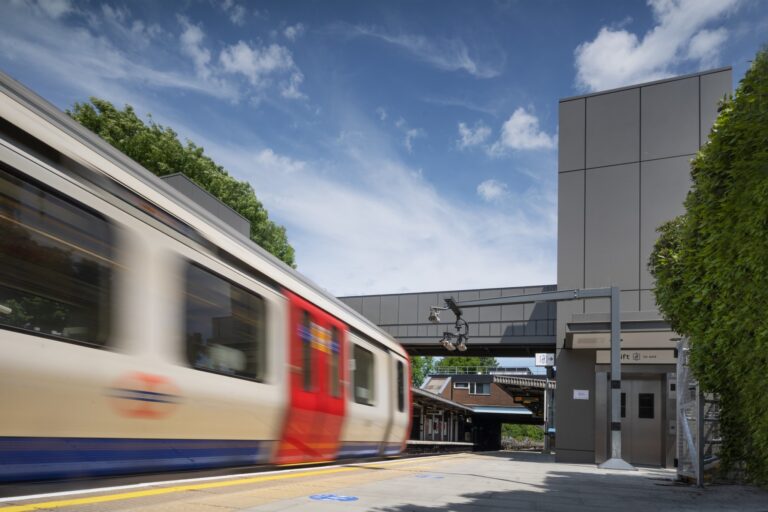
Active travel infrastructure only delivers its full benefit when it connects. A cycleway that links to a rail station enables a genuinely car-free commute. A pedestrian route that connects a neighbourhood to a town centre changes where people shop, eat and spend time. We design with those connections in mind as part of the wider transport network, not as standalone schemes.
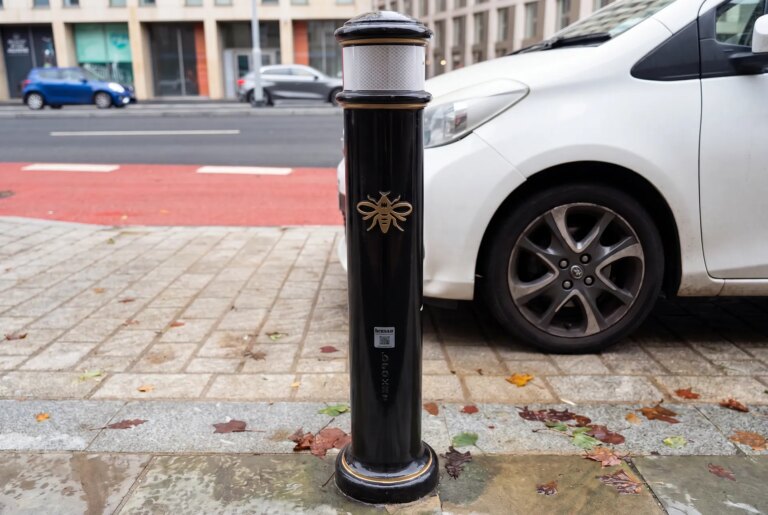
Our work on projects like Manchester Victoria North East Gateway demonstrates what integrated active travel looks like in practice: new segregated cycleways, CYCLOPS junctions, improved pedestrian crossings and relocated bus stops, all designed together, delivered together and experienced together by the people who use them every day.
Designed around people, not vehicles
The needs of cyclists, pedestrians and non-motorised users are different, and they differ from those of motor vehicles in ways that demand specific design thinking. We bring that understanding to every scheme: sight lines, surface quality, junction design, lighting, gradient, wayfinding and the small details that make the difference between a route that feels safe and one that doesn't.
A broader definition of active travel
Active travel is not just cycling and walking. Non-motorised users, a category that encompasses horse riders, carriage drivers, people using mobility scooters and adapted cycles, and users of shared multi-use paths — have specific infrastructure requirements that are easily overlooked in scheme design. Overlooking them is a missed opportunity at best and a safety risk at worst.
Octavius designs and builds multi-use trails, bridleways, greenways and shared-use paths that accommodate the full range of NMU needs. We work with National Highways, local highway authorities and combined authorities on NMU facilities as standalone schemes and as integrated elements of wider transport programmes.
What we deliver
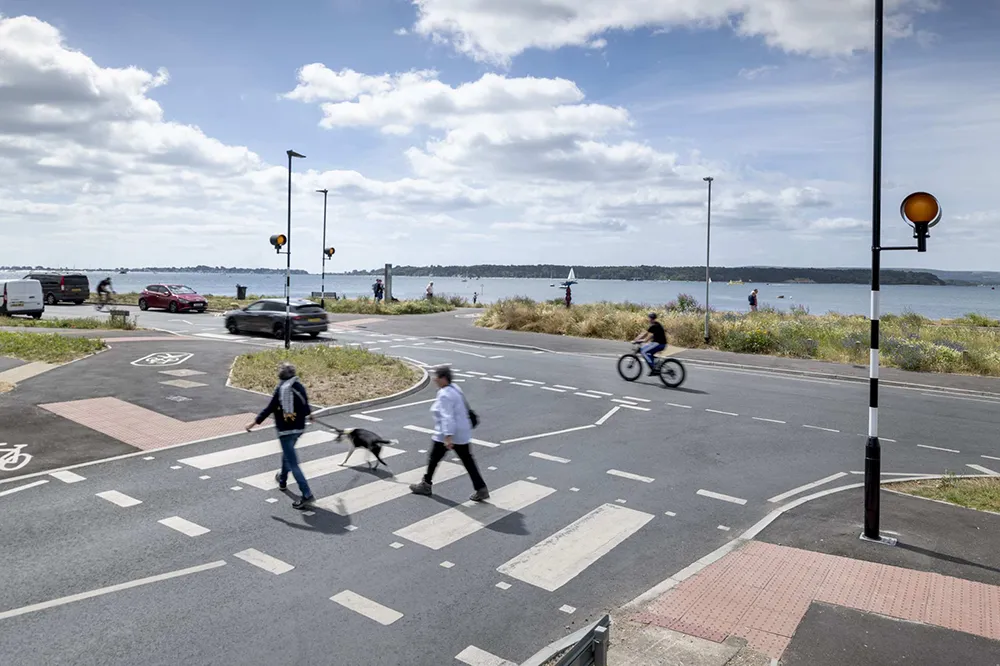
Pedestrians
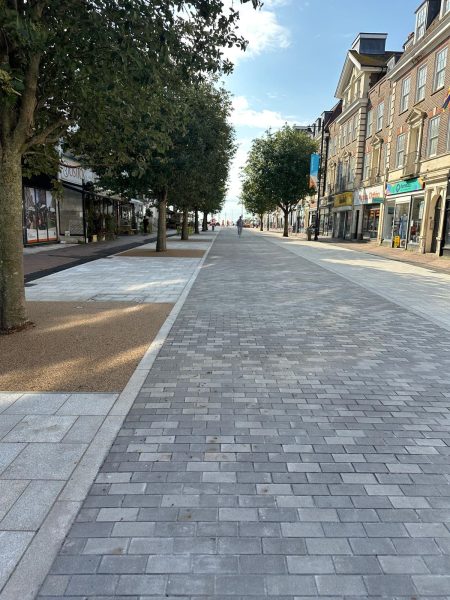
New links, widening schemes and surface improvements that improve safety and connectivity.
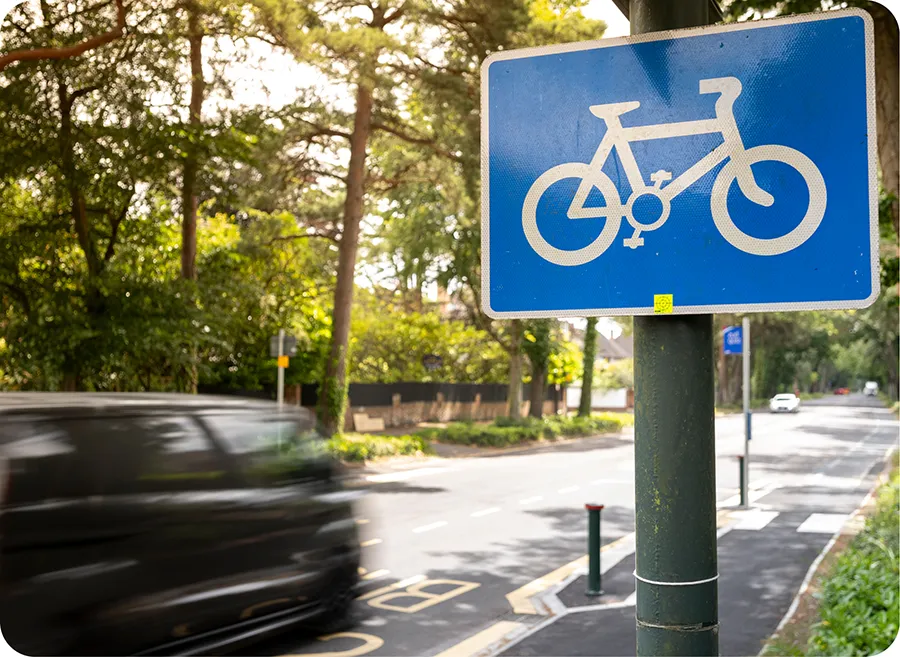
Cycleways
Bridges, underpasses and flyovers engineered to last and built with minimal disruption.
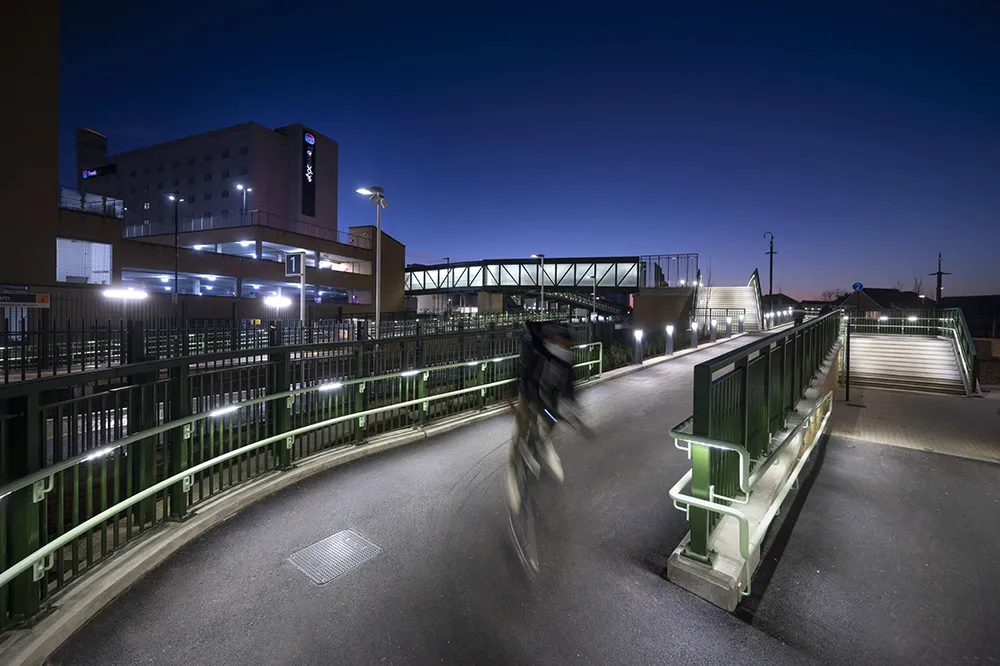
Non-motorised users
Street environments that make communities more attractive, walkable and healthy.