
Shared paths, bridleways and greenways. Infrastructure for every kind of journey
Non-motorised users (NMU), horse riders, mobility scooter users, people using adapted cycles and those travelling on shared rural routes, deserve infrastructure that works for them too. Octavius plans and delivers non-motorised users facilities that are genuinely inclusive.
A broader definition of active travel
Active travel is not just cycling and walking. Non-motorised users, a category that encompasses horse riders, carriage drivers, people using mobility scooters and adapted cycles, and users of shared multi-use paths — have specific infrastructure requirements that are easily overlooked in scheme design. Overlooking them is a missed opportunity at best and a safety risk at worst.
Octavius designs and builds multi-use trails, bridleways, greenways and shared-use paths that accommodate the full range of NMU needs. We work with National Highways, local highway authorities and combined authorities on NMU facilities as standalone schemes and as integrated elements of wider transport programmes.
Rural and peri-urban connectivity
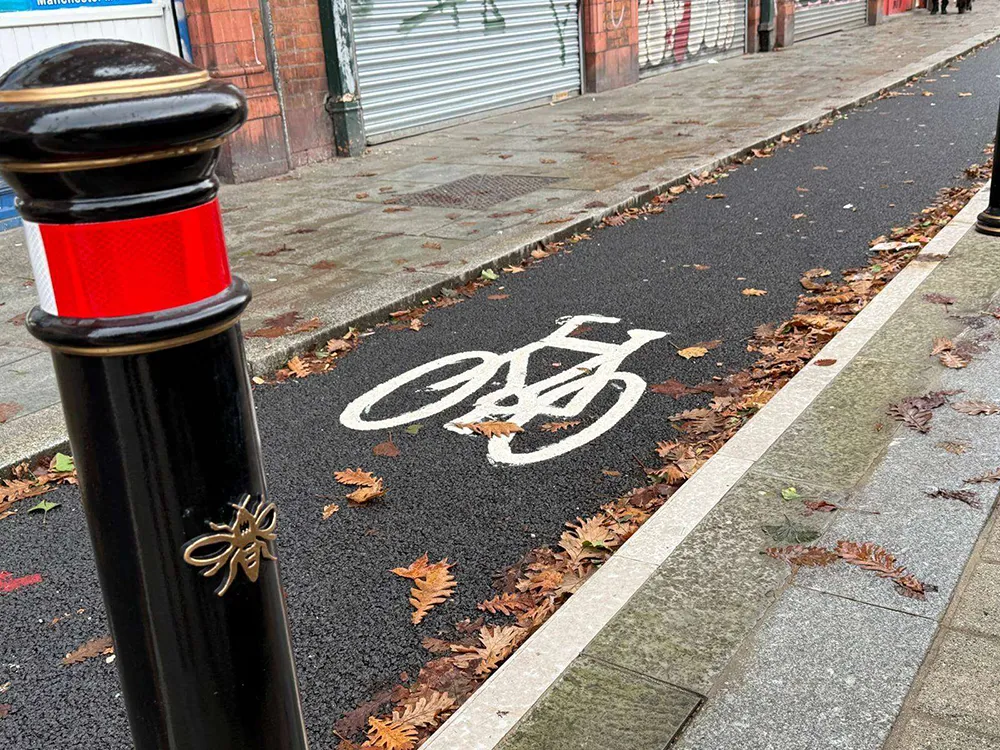
NMU routes often provide the primary active travel connection in rural and peri-urban areas, where cycling and walking infrastructure may be limited and horse riders and other users have few alternatives. These routes have real value: for recreation, for health, for community cohesion and for local economies that depend on rural tourism and access.
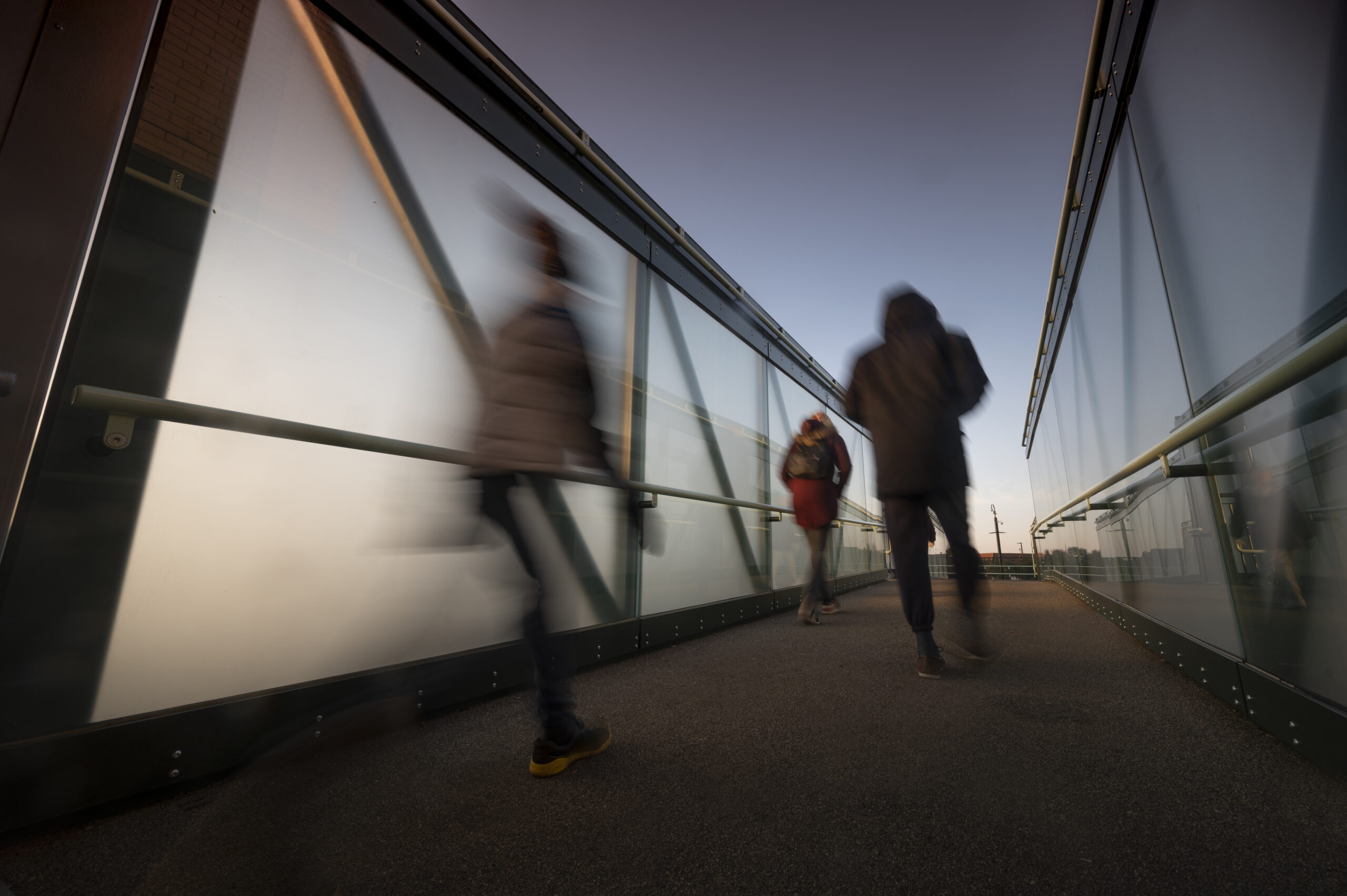
Designed for coexistence
Where multiple user types share a route, the design must manage those interactions safely and comfortably. Surface specification, width, gradient, junction design and signage all need to reflect the full range of users. We bring that multi-user design thinking to every NMU commission because a route that works for everyone is a route that serves the community it was built for.